


The ringing of bells called the Christian faithful and Catholic Cardinals to the mass on the day of Friday May 9th, 2025/ Dhul Qa’dah 11 1446 A.H. The significance of the day was marked by the first mass of the new Catholic Pope. Several hours earlier, on Thursday afternoon, a conclave of Cardinals of the Catholic Church elected Cardinal Robert Francis Prevost as the new Supreme Pontiff. Cardinal Prevost, now Pope Leo XIV, is a 69-year-old faithful Augustinian Bishop from Chicago, Illinois. His ascension to the Papal seat marks many firsts for the office. He is the first person born in the United States and North America to be elected as the Pope. He is also the first Augustinian, a Catholic religious order, to be elected. His rise to the throne of Peter comes as a surprise to many. Prior to his election, there were no religious pundits or commentators who even considered another American becoming the Pope. Pope Leo’s predecessor, Pope Francis who was beloved by many Christians and non-Christians alike, passed away the day after Easter on April 21, 2025/ 22 Shawwal 1446 AH. The governance of the two Pontiffs establishes a new trend of American Popes or rather a line of Popes from the western hemisphere.
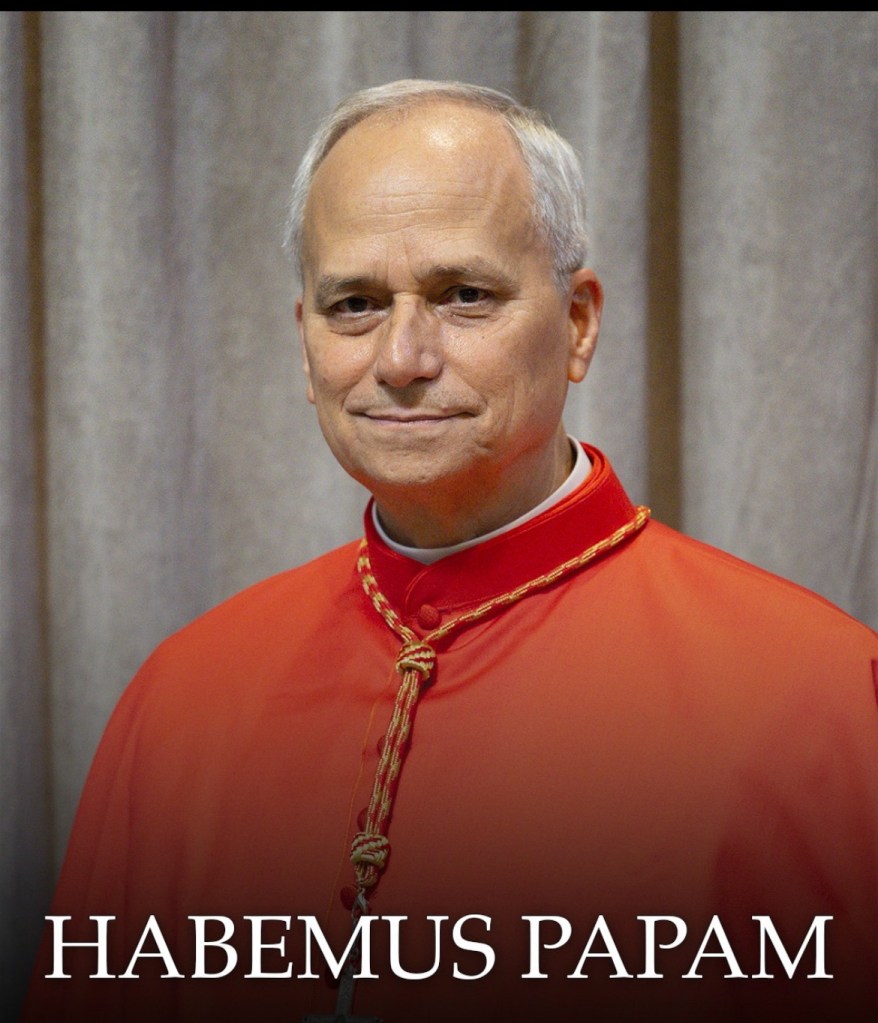
Pope Leo XIV, formerly Cardinal Robert Francis Prevost
The process of apostolic succession of religious leaders over the Catholic Church has evolved within the last two thousand years. According to Church clergy, the Bishop of Rome, like other Bishops presiding over Christian congregations in other areas, were chosen by their “flock.” As the Church evolved and was confronted with differences, succession was left to the highest echelons of the clergy, namely the cardinals who were assigned by the Pope. Upon the passing or retirement of a Pope, the cardinals were to elect from amongst themselves or the greater community of the Catholic body, a successor. This currently takes place in the form of a conclave, in which Cardinals of voting age are locked into a room where they devoutly vote and choose the next Pope for the pleasure of God and the sake of the Church. During this conclave, the faithful community of Catholics in the Vatican City state await the news of a majority ruled vote affirming a Pontiff, in the form of white smoke from the chimney of the Sistine Chapel or an absence of a majority vote, in the form of black smoke. The Cardinals vote four times throughout a conclave day until a Pope is elected. In this conclave, the Pope was elected on the second day of the conclave presumably on the fourth ballot.
This fascinating process of succession preserves the order and balance of the administration and clergy of the Catholic Church. This is similar to the choosing of leaders in other religious and cultural communities. In Islam, an Imam is chosen from his community as well. Likewise, a group from the community of believers are commanded to remain and learn religious knowledge so that they can inform and warn their people.
The Repentance (9:122)
۞ وَمَا كَانَ ٱلْمُؤْمِنُونَ لِيَنفِرُوا۟ كَآفَّةًۭ ۚ فَلَوْلَا نَفَرَ مِن كُلِّ فِرْقَةٍۢ مِّنْهُمْ طَآئِفَةٌۭ لِّيَتَفَقَّهُوا۟ فِى ٱلدِّينِ وَلِيُنذِرُوا۟ قَوْمَهُمْ إِذَا رَجَعُوٓا۟ إِلَيْهِمْ لَعَلَّهُمْ يَحْذَرُونَ ١٢٢
“˹However,˺ it is not necessary for the believers to march forth all at once.” (“Surah At-Tawbah – 122 – Quran.com”) Only a party from each group should march forth, leaving the rest to gain religious knowledge then enlighten their people when they return to them, so that they ˹too˺ may beware ˹of evil˺.
— Dr. Mustafa Khattab, The Clear Quran
Imam Al Qurtubi said about this verse, “This verse is the root and foundation of religious knowledge for its seeker.” It establishes that from a group, in this context a community going to battle, there should be a division of the community whose responsibility it is to acquire religious knowledge and understanding. This group of knowledgeable people then serve the community by educating, warning, and reminding people about their duty to Allah. The process of choosing the next leader of the Muslim community, who at the time not only served as the spiritual but also the authoritative leader, was by way of giving allegiance or bay’ah. During the lifetime of the Messenger of Allah ﷺ, those that embraced Islam gave their pledge of allegiance to Allah and His Messenger. The details and incidents of such allegiances can be found in the corpus of hadith literature. It is primarily established in the Quran with such verses as,
The Victory (48:10)
إِنَّ ٱلَّذِينَ يُبَايِعُونَكَ إِنَّمَا يُبَايِعُونَ ٱللَّهَ يَدُ ٱللَّهِ فَوْقَ أَيْدِيهِمْ ۚ فَمَن نَّكَثَ فَإِنَّمَا يَنكُثُ عَلَىٰ نَفْسِهِۦ ۖ وَمَنْ أَوْفَىٰ بِمَا عَـٰهَدَ عَلَيْهُ ٱللَّهَ فَسَيُؤْتِيهِ أَجْرًا عَظِيمًۭا ١٠
Surely those who pledge allegiance to you ˹O Prophet˺ are actually pledging allegiance to Allah. Allah’s Hand is over theirs. Whoever breaks their pledge, it will only be to their own loss. And whoever fulfils their pledge to Allah, He will grant them a great reward.
— Dr. Mustafa Khattab, The Clear Quran
Famous pledges in the history of the lifetime of the Messenger of Allah ﷺ were those such as the Pledges of Aqabah in which delegations from the city of Yathrib traveled to Makkah to give allegiance to the Messenger of Allah ﷺ and invited him to be their leader and the leader of their city. Another important pledge, also referenced in the Quran, is the pledge of Ridwan which took place under a tree at Hudaybiah when the Messenger of Allah ﷺ took the Muslims to perform Umrah. Uthman bin Affan, may Allah be pleased with him, was sent into Makkah to inform the Quraish of the intent of the Messenger of Allah ﷺ. His expected return from Makkah was delayed by the Quraish for such a length of time that the Muslims feared that he was killed. The pledge was then made with approximately 1400 Muslims to not run away from the potential battle with the Quraish if it was indeed found out that their ambassador, Uthman ibn Affan, was killed.
After the passing of the Messenger of Allah ﷺ, the succession of leadership and bay’ah occurred in two ways. The first way was by consultation or shura. This is a process like the conclave in which notable members of society would gather to choose and give allegiance to a leader from amongst the community. Once they decided upon a leader and had given their initial allegiance, this would be declared to the rest of the community who would then follow suit. The second method of succession of leadership was that the existing leader would choose for the community a new leader and urge the community to give allegiance to that person. Both methods are found in the history of the early Muslims. Upon the passing of the Messenger of Allah ﷺ, a group of the Muslims consulted with each other in a shura to decide the process of succession after the Messenger of Allah ﷺ. Upon being informed of this council, two close companions of the Messenger of Allah ﷺ, Abu Bakr and Umar bin Al Khattab, may Allah be pleased with them both, joined the shura and informed them of the Messenger of Allah’s instructions about succession and leadership being under the authority of the Quraish emigrants from Makkah. This council concluded with Abu Bakr being proposed and accepted as the first successor or Khalifah to the Messenger of Allah ﷺ. After two years of rule, Abu Bakr passed away. Prior to his passing, he chose Umar bin Al Khattab as his successor to avoid the tribulation caused with the shura after the passing of the Messenger of Allah ﷺ. After a 10-year rule, when Umar bin Al Khattab was stabbed during the fajr (dawn) prayer, he chose six men from the Muslims to serve as a shura to choose the next leader of the Muslims. His intention was to follow the tradition of the Messenger of Allah ﷺ. In not choosing a successor but establishing an educated council that would, Umar established a way between the processes of his predecessors. Historically, the process of shura and assigning leadership have been used throughout the Muslim civilization. Unfortunately, like in Catholic history, sometimes the process of leadership was marred and interrupted by civil strife and forceful impositions. However, in the best of circumstances, the process served as a means of a peaceful transfer of authority that could be accepted by all parties.

The current conclave and election of Pope Leo XIV causes one to reflect upon the Muslim communities in the United States. There are lessons to be gleamed from the conclave regarding the peaceful and discreet transfer of leadership and authority within a society of faithful communities. The process of the conclave is built upon the trust of the community in their leadership clergy in religious matters. The process is built upon the expectation that this religious class would think beyond their own egos and positions and look towards the maintenance and rectification of the Church and the spreading of its message. Pope Leo XIV said as much in his weighty homily in the first mass. In this homily, he called upon his brother Cardinals to look within themselves to ensure that they are sincerely upon the journey of commitment to their faith and to collaborate with their fellow Cardinals and the greater Church to bring the “Good News” to the rest of the world. As Muslims, we too must look internally at our relationship and standing with Allah. We must fulfil our individual obligations and then with the members of our community, fulfil our communal obligations. We too have a process for a peaceful transfer of leadership and authority that should be supported by the various divisions of the community. Therefore, it is important that our Muslim communities recognize and support leadership and inculcate the qualities and characteristics needed for proper governance within our children and adults. We must utilize the knowledge and resources that Allah has blessed us with in order to institute our forms of leadership. We must think beyond our own desires and look generations ahead in establishing and maintaining independent Muslim communities that will exalt the name of Allah. To do that within our communities, it means that we must support the group of us that stayed behind or traveled to acquire religious knowledge. Those religious scholars, in turn, must trust the leadership and communities that supported their religious growth. Covenants and oaths, remarkably similar to the covenants and oaths made during the conclave, must again be re-evaluated and established between the various members of our community.
حَدَّثَنِي عَبْدُ اللَّهِ بْنُ عَبْدِ الرَّحْمَنِ الدَّارِمِيُّ، وَسَلَمَةُ بْنُ شَبِيبٍ، – قَالَ سَلَمَةُ حَدَّثَنَا وَقَالَ الدَّارِمِيُّ، أَخْبَرَنَا مَرْوَانُ، وَهُوَ ابْنُ مُحَمَّدٍ الدِّمَشْقِيُّ – حَدَّثَنَا سَعِيدٌ، – وَهُوَ ابْنُ عَبْدِ الْعَزِيزِ – عَنْ رَبِيعَةَ بْنِ يَزِيدَ، عَنْ أَبِي إِدْرِيسَ الْخَوْلاَنِيِّ، عَنْ أَبِي مُسْلِمٍ الْخَوْلاَنِيِّ، قَالَ حَدَّثَنِي الْحَبِيبُ الأَمِينُ، أَمَّا هُوَ فَحَبِيبٌ إِلَىَّ وَأَمَّا هُوَ عِنْدِي فَأَمِينٌ عَوْفُ بْنُ مَالِكٍ الأَشْجَعِيُّ قَالَ كُنَّا عِنْدَ رَسُولِ اللَّهِ صلى الله عليه وسلم تِسْعَةً أَوْ ثَمَانِيَةً أَوْ سَبْعَةً فَقَالَ ” أَلاَ تُبَايِعُونَ رَسُولَ اللَّهِ ” وَكُنَّا حَدِيثَ عَهْدٍ بِبَيْعَةٍ فَقُلْنَا قَدْ بَايَعْنَاكَ يَا رَسُولَ اللَّهِ . ثُمَّ قَالَ ” أَلاَ تُبَايِعُونَ رَسُولَ اللَّهِ ” . فَقُلْنَا قَدْ بَايَعْنَاكَ يَا رَسُولَ اللَّهِ . ثُمَّ قَالَ ” أَلاَ تُبَايِعُونَ رَسُولَ اللَّهِ ” . قَالَ فَبَسَطْنَا أَيْدِيَنَا وَقُلْنَا قَدْ بَايَعْنَاكَ يَا رَسُولَ اللَّهِ فَعَلاَمَ نُبَايِعُكَ قَالَ ” عَلَى أَنْ تَعْبُدُوا اللَّهَ وَلاَ تُشْرِكُوا بِهِ شَيْئًا وَالصَّلَوَاتِ الْخَمْسِ وَتُطِيعُوا – وَأَسَرَّ كَلِمَةً خَفِيَّةً – وَلاَ تَسْأَلُوا النَّاسَ شَيْئًا ” . فَلَقَدْ رَأَيْتُ بَعْضَ أُولَئِكَ النَّفَرِ يَسْقُطُ سَوْطُ أَحَدِهِمْ فَمَا يَسْأَلُ أَحَدًا يُنَاوِلُهُ إِيَّاهُ .
Malik al-Ashja’i reported: We, nine, eight or seven men, were in the company of the Messenger of Allah (ﷺ) and he said: Why don’t you pledge allegiance to the Messenger of Allah? -while we had recently pledged allegiance. So, we said: Messenger of Allah, we have already pledged allegiance to you. He again said: Why don’t you pledge allegiance to the Messenger of Allah? And we said: Messenger of Allah, we have already pledged allegiance to you. He again said: Why don’t you pledge allegiance to the Messenger of Allah? We stretched our hands and said: Messenger of Allah. We have already pledged allegiance to you. Now tell (on what things) we should pledge allegiance to you. He said I (You must pledge allegiance) that you would worship Allah only and would not associate with Him anything, (and observe) five prayers, and obey- (and he said one thing in an undertone) -that you would not beg people of anything. (And as a consequence of that) I saw that some of these people did not ask anyone to pick up the whip for them if it fell down.
Sahih Muslim 1043
https://sunnah.com/muslim:1043
The above narration is an example of a pledge of allegiance taken and fulfilled by earlier Muslims. It serves as an example of how the faithful established and renewed their commitments with each other and to leadership. It also serves as a reminder that the ultimate commitment to leadership is the leadership to Allah. Allah says,
The Women (4:59)
يَـٰٓأَيُّهَا ٱلَّذِينَ ءَامَنُوٓا۟ أَطِيعُوا۟ ٱللَّهَ وَأَطِيعُوا۟ ٱلرَّسُولَ وَأُو۟لِى ٱلْأَمْرِ مِنكُمْ ۖ فَإِن تَنَـٰزَعْتُمْ فِى شَىْءٍۢ فَرُدُّوهُ إِلَى ٱللَّهِ وَٱلرَّسُولِ إِن كُنتُمْ تُؤْمِنُونَ بِٱللَّهِ وَٱلْيَوْمِ ٱلْـَٔاخِرِ ۚ ذَٰلِكَ خَيْرٌۭ وَأَحْسَنُ تَأْوِيلًا ٥٩
O believers! Obey Allah and obey the Messenger and those in authority among you. Should you disagree on anything, then refer it to Allah and His Messenger, if you ˹truly˺ believe in Allah and the Last Day. This is the best and fairest resolution.
— Dr. Mustafa Khattab, The Clear Quran
This verse and many other verses within the Quran are pillars and guidelines for our structure of governance. The Warith Ad-Deen Muslim community should be highlighted as a national Muslim American Community that has maintained an infrastructure developed upon these passages from the Quran and the Sunnah. Other Muslim communities within the United States have used these guidelines by establishing fiqh councils that serve as a moral authority and guide common practitioners of the faith.
The recent ascension of Pope Leo XIV reminds us that as Muslims we also have a process that has been preserved in knowledge and action. During these sacred months, it may be advantageous for us as a community to review our knowledge of this facet of faith. As our Catholic counterparts are celebrating their new leader, we should use this time to evaluate our adherence to our leadership and the nature of its structure. We wish the new Pope well in his tenure. We ask Allah to guide him and his flock aright and to straighten out their affairs. We also ask for Allah to rectify our affairs and the affairs of the Muslims globally and domestically. May He provide us with good leaders and bless us to be good followers.
 The Green Islamic Foundation
Leave a comment