

The following were notes and pictures provided to the students of a religious class that were learning about the times of prayer according to the school of Madina (Maliki School).
AsSalaamu Alaikum,
If you are up now during this Fajr morning you will see the beautiful changes of the sky on the eastern horizon. If you follow the colors up, you will notice the traces of night as it was cleaved from the day like a cloth slowly removed from an orb.
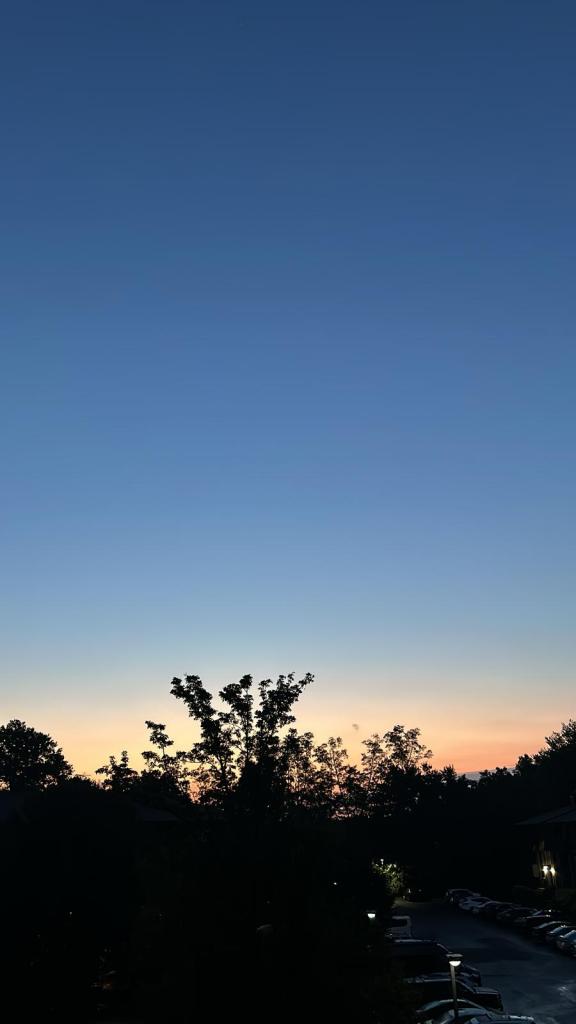
You see the gradients of blue above the white and red. Also, the stars are losing their shine in the light of the day. There are only a few out…very difficult to capture them in a picture. These are the signs of Allah.
The Akhdari1, the book that we are reading from, says about the times of Fajr:
و المختار للصبح من الفجر إلى الأسفار الأعلى ، و ضرورية إلى طلوع الشمس.
The preferred time for Subh (the obligatory fajr prayer) is from dawn (fajr) until the first brightening. Its extended time lasts until sunrise.
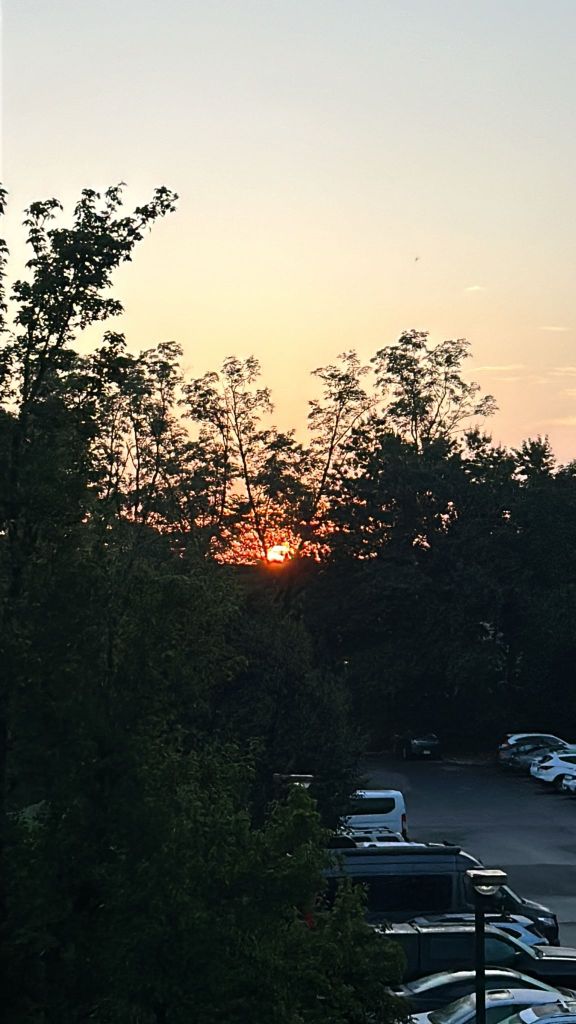
The sunrise: The emergence of the disc of the sun from the horizon. طلوع الشمس
What is the first brightening or what is called in Arabic الأسفار الأعلى?
In the Siraj as Salik2, this term is defined as such:
و هو ظهور الضوء بحيث يميز الإنسان فيه وجه جليسه
It is the appearance of light in as much as a person can distinguish the face of his companion.
- Referring to the Mukhtasar Al Akhdari written by Imam Abdur Rahman Al Akhdari. This text is generally the first work of fiqh that is studied in the Maliki school. ↩︎
- Referring to Siraj As Salik Sharh Ashal al Masaalik written by Shaykh Uthman bin Hassanain Barri Al Ja’ali Al Maliki. It is a commentary of a versified Maliki fiqh text entitled Ashal Al Masaalik which was written by Shaykh Muhammad Al Bashaar. ↩︎
 The Green Islamic Foundation
Leave a comment